
CLINICAL INSIGHTS
What Is Functional Medicine—and Why I Chose to Practice This Way
August 2026

Long before I knew the term functional medicine, I knew there were parts of medicine I wanted to understand more deeply.
I remember looking forward to the nutrition course in medical school in the late 1990s. I expected to learn how food could be used in everyday clinical practice—how nutrition influenced cardiovascular health, metabolism, chronic disease, and the health of the patients I would eventually care for.
Instead, much of what I remember learning focused on severe nutritional deficiencies and conditions that I was unlikely to encounter regularly in practice. The science was important, but I came away disappointed. I wanted to know how to sit across from a patient and have a meaningful conversation about what they ate every day and how it might influence their health.
Medical education has evolved since then. Years later, Wayne State would introduce a mandatory plant-based nutrition curriculum designed around the clinical application of nutrition to diet-related disease. I remember learning about it and thinking, I wish we’d had that when I was there.
In the meantime, that curiosity had never really gone away.
Knowing There Was More
After completing residency, I spent many years practicing conventional family medicine in a wide variety of settings. I cared for patients in the office, hospital, urgent care, nursing facilities, and subacute rehabilitation. That experience gave me a clinical foundation that continues to shape the way I practice today.
It also showed me some of the limitations of the way healthcare is often delivered.
Medicine has extraordinary tools. We have sophisticated imaging, lifesaving medications, surgical procedures, evidence-based guidelines, and specialists with tremendous expertise. I have great respect for all of it.
But I increasingly felt that following guidelines and treating a diagnosis could not always be the endpoint of caring for a person.
In some ways, I came to see it as the starting point.
A patient can have their blood pressure treated to goal or their cholesterol managed according to a guideline, and those things matter. But there are still other questions worth asking. How are they eating? How are they sleeping? Are they moving their body? What is happening metabolically? What role might stress be playing? Are there gastrointestinal or nutritional issues that matter? What is their family history? What is changing over time? And, perhaps most importantly, what matters to that particular person?
For years, I tried to incorporate more of these questions into my practice. I read. I studied nutrition. I pursued additional education. I became interested in more advanced assessment of cardiometabolic risk.
But I was piecing it together.
I knew there was more to health and healing than I had the tools to fully explore.
Discovering Functional Medicine—and Being Skeptical of It
Interestingly, I did not discover functional medicine because I was searching for functional medicine.
I was looking for more sophisticated education in cardiovascular risk assessment and advanced lipid testing when I came across the Institute for Functional Medicine.
Some of what I found intrigued me immediately.
Other parts did not.
Concepts involving the gut microbiome, digestive function, environmental exposures, and some of the testing being discussed seemed unfamiliar and, frankly, a little strange to me at the time. I was a conventionally trained family physician. I wanted to know where the evidence was and whether this approach belonged within serious medical practice.
So I didn’t immediately pursue it.
Functional medicine stayed on my radar, however. When Cleveland Clinic established a Center for Functional Medicine, I took notice. Here was an academic medical institution I respected taking this model seriously enough to incorporate it into patient care and research.
I decided it deserved another look.
Eventually, in November 2017, I attended the Institute for Functional Medicine’s foundational clinical training program in Chicago. My intention was fairly simple: take the course, learn what I could, and bring back whatever seemed useful.
That isn’t quite what happened.
Over the course of that week, I repeatedly found myself thinking about patients I had cared for over the previous decade.
There were moments when I would learn about a physiologic connection or a different way of organizing a patient’s history and immediately think, What about that patient I saw three years ago? What if I had looked at the situation this way?
I had a lot of those moments.
I went to Chicago expecting to take a course. I came home looking at some of the patients I had cared for over the years through a different lens.
When a Different Lens Changed the Conversation
One of those patients was someone I had been caring for who had struggled with persistent and extremely bothersome skin symptoms.
He had already been evaluated and treated in a number of appropriate ways. Different diagnoses had been considered. He had received several treatments and had seen specialists, yet the problem persisted.
I actually thought about him while I was sitting at the functional medicine conference.
Shortly after I returned home, somewhat coincidentally, he came into the office for an unrelated problem. I remember being particularly interested in seeing him again because I wanted to revisit his story with some of the things I had just learned in mind.
We ultimately tried a structured nutritional approach that included a carefully supervised elimination and reintroduction process. I didn’t have an arsenal of specialized testing at my disposal. I was new to this approach myself.
What I did have was a different set of questions and a very motivated patient.
We worked through it together, and over time his longstanding skin symptoms improved substantially.
That experience stayed with me.
Not because I believe every chronic skin problem is related to food—it isn’t. And not because an elimination diet is appropriate for everyone—it isn’t.
What stayed with me was something more fundamental: changing the way I looked at the patient changed what I thought to ask and what we were able to try.
It helped me understand that functional medicine wasn’t necessarily about having more tests or more treatments.
Sometimes it was about seeing the same patient differently.
From Early Experiences to Years of Practice
Those early experiences were only the beginning.
In the years that followed, I completed additional training and certification and eventually spent nearly six years practicing functional and lifestyle medicine full-time within a large health system.
That gave me the opportunity to apply this approach across a much broader range of patients and clinical situations. Over the years, I would see variations of some of those early lessons play out again and again: sometimes changing the questions we asked changed the options we considered.
I also learned that taking a broader view does not mean that more is always better. There were times when additional evaluation or intervention was helpful, and others when restraint, prioritization, or conventional medical care was the better approach.
Those years didn’t make my view of functional medicine more rigid.
If anything, they made it more nuanced.
What Functional Medicine Means to Me Today
Years later, my understanding of functional medicine continues to evolve.
I don’t view it as an alternative to conventional medicine, and I certainly don’t view it as a magic wand.
I see it as a framework for taking a broader view of health.
The human body is extraordinarily complex. Digestion and nutrient absorption, metabolism, immune function and inflammation, hormonal signaling, cellular energy, cardiovascular health, sleep, movement, nutrition, stress, and emotional well-being do not exist in separate compartments. They continually influence one another.
We are also individuals. Genetics differ. Environments differ. Experiences differ. Diets differ. Medications differ. Stressors differ. Goals differ.
Functional medicine gives me a way to organize some of that complexity and ask how the pieces may fit together.
For readers interested in the clinical framework itself, I explain it in more detail in What Is Functional Medicine? and Systems-Based Functional Medicine Care.
The important point is that taking a broader view does not mean investigating everything imaginable.
In fact, I think good functional medicine requires judgment about what not to pursue.
More testing isn’t automatically better care. An abnormal marker isn’t automatically something that needs to be chased. A longer supplement list isn’t necessarily a better treatment plan. We shouldn’t simply trade polypharmacy for a cabinet full of supplements.
Nutrition deserves serious attention, but I don’t believe every patient needs to follow the same diet. Psychological health and stress should never be used to dismiss physical symptoms, but they also shouldn’t be ignored. And a plan intended to improve someone’s health shouldn’t become so complicated that managing the plan takes over the person’s life.
That balance has become increasingly important to me.
Conventional Medicine and Functional Medicine Are Not Opponents
One misconception I particularly want to avoid is the idea that choosing to practice functional medicine required me to reject conventional medicine.
It didn’t.
My conventional medical training and more than two decades of clinical experience are fundamental to how I practice.
If someone needs a cardiologist, I want them to see a cardiologist. If a symptom requires conventional diagnostic evaluation, it should be evaluated. If a medication is indicated, medication may be exactly the right treatment.
Functional medicine asks additional questions.
I learned an important lesson about that early in my functional medicine journey while working with an older patient with hypertension. Along with his usual medical care, we spent more time working on nutrition and lifestyle.
As his lifestyle changed, his blood pressure improved substantially. Eventually, medications that had previously been appropriate were contributing to symptomatic low blood pressure and needed to be reassessed.
Thankfully, he was evaluated and did well. But the experience stayed with me.
Lifestyle isn’t something we simply mention because we’re supposed to.
Changes in nutrition, activity, weight, sleep, and other aspects of health can meaningfully affect physiology. When that happens, medications sometimes need to be monitored and adjusted appropriately.
That is one reason lifestyle intervention and medical care should not exist in separate worlds.
It isn’t lifestyle instead of medicine or medicine instead of lifestyle. It is understanding when each is needed and how they fit together.
I discuss that philosophy further in Integration With Conventional Medical Care.
The Kind of Medicine I Wanted to Practice
Looking back, I think what I had been searching for all those years was not simply another collection of treatments.
I wanted a way to practice medicine that allowed me to slow things down enough to think.
I wanted to hear the patient’s story.
I wanted to look more deeply when looking more deeply was warranted.
I wanted to help someone understand not only what their diagnosis was, but what might be influencing their health now and where their health might be heading in the future.
And I wanted to do that without losing the clinical judgment and safeguards that conventional medicine had taught me.
That ultimately became part of the reason I founded Barish Functional Medicine.
My goal isn’t to order every test, identify a hidden cause for every symptom, or promise outcomes that medicine cannot promise.
It is much simpler than that.
I want to approach someone’s health with the same care and attention I would want if I were the patient—or if the patient were someone I loved.
That means listening. It means staying curious. It means continuing to learn. It means being willing to look at something differently when the usual approach hasn’t been enough.
It also means knowing my limits.
Sometimes the right answer is, I don’t know yet. Sometimes I need to look something up. Sometimes another physician or specialist needs to be involved. Sometimes the best recommendation is the conventional one.
After all these years, I don’t believe good medicine is defined by having an answer for everything.
I think it is defined, in part, by caring enough to keep asking good questions—and having the experience, judgment, and humility to know what to do with the answers.
That is what functional medicine has come to mean to me.
And I suspect that understanding will continue to evolve.
About the Author
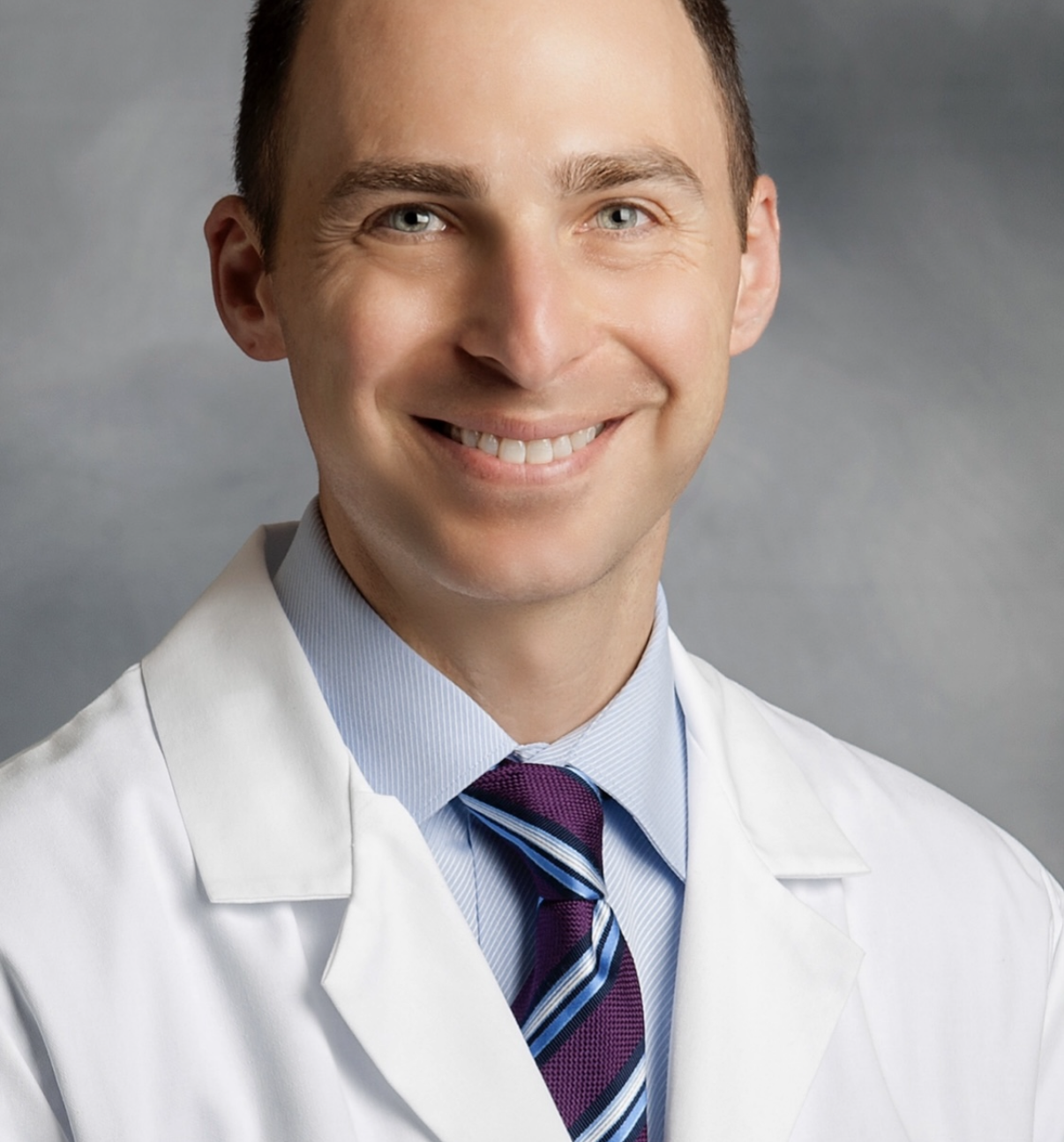
Ryan Barish, MD
Founder, Barish Functional Medicine
Dr. Barish is board-certified in family medicine and lifestyle medicine and certified in functional medicine through the Institute for Functional Medicine. His approach brings together conventional medical training with functional and lifestyle medicine to provide thoughtful, individualized care.