
A more complete approach to your health
What Physician-Guided Means in Functional Medicine
Physician-guided functional medicine available via telehealth for patients in Michigan and Florida.
Looking for a broader approach when standard answers have felt incomplete?
Want functional medicine guided by medical judgment, structure, and experience?
Physician-guided functional medicine combines systems-based principles with physician-level medical training, broad clinical reasoning, and thoughtful integration with conventional healthcare when appropriate. At Barish Functional Medicine, this model is designed to help patients pursue clearer answers and practical long-term progress through a structured, individualized approach.
Many people exploring functional medicine are surprised to learn that practices can differ meaningfully in structure, scope, and professional background. Providers may come from a variety of training pathways, each with distinct strengths, perspectives, and areas of emphasis.
Understanding those differences can help you choose the model that best fits your needs and goals. This page is designed to help clarify what physician-guided means in this practice.
What Physician-Guided Means Here
Physician-guided care in this practice includes:
Broad Medical Clinical Reasoning
Symptoms can have many possible explanations. Physician training emphasizes evaluating symptoms within a broad medical context rather than assuming a single cause too quickly.
Functional Medicine Through a Structured Lens
Functional medicine principles are used to explore how nutrition, metabolism, hormones, digestion, inflammation, sleep, stress physiology, and lifestyle patterns may influence symptoms and long-term health.
Safety, Prioritization, and Judgment
Not every abnormality requires action. Not every test is necessary. Care involves thoughtful prioritization, sequencing, and balancing potential benefit with practicality.
Integration With Conventional Care
Functional medicine should not require abandoning conventional medicine. Care is designed to complement your primary care physician and appropriate specialists.
Patients are expected to maintain an ongoing relationship with their primary care physician and appropriate specialists while using this practice as an additional strategic layer of care.
Attention to the Whole Person
Medical rigor and listening are not opposites. This practice is intentionally designed to allow time, context, and individualized thinking.
The Training Behind Physician Guidance
Becoming a physician involves extensive formal education, supervised clinical training, and ongoing professional standards.
The physician training pathway typically includes:
Undergraduate Education
Completion of a bachelor’s degree with pre-medical science requirements.
Medical School
Four years of physician training focused on anatomy, physiology, pathology, pharmacology, diagnostics, and patient care.
National Licensing Examinations
Multi-stage national board examinations required for physician licensure in the United States.
Residency Training
Several additional years of supervised full-time clinical training caring for patients across a wide range of medical settings.
Board Certification and Continuing Education
Ongoing professional standards, continuing education, and maintenance of certification.
This background can be especially valuable when symptoms are complex, multiple issues overlap, medications are involved, or broader medical context matters.
When This Model May Be Especially Helpful
Physician-guided functional medicine may be a strong fit when:
You have ongoing symptoms despite prior normal or incomplete evaluations
You prefer a measured, practical plan rather than extreme protocols
You value coordination with conventional medical care
You want prevention and optimization guided by clinical judgment
Several issues overlap, such as fatigue, digestion, hormones, sleep, and metabolic health
You want a broader root-cause approach while remaining grounded in medical reasoning
What Physician-Guided Care Includes
Physician-guided care in this practice includes medical training, thoughtful evaluation, systems-based reasoning, personalized planning, and coordination with your existing healthcare team when appropriate.
It also includes knowing when additional conventional evaluation, specialist input, urgent care, or emergency care is the right next step.
This model is designed to complement your ongoing primary care relationship while offering an additional layer of strategic, individualized support.
How This Looks in Practice
A functional medicine visit may include:
Careful review of your history, symptoms, and timeline
Identification of patterns across body systems
Review of prior labs and conventional evaluations
Personalized nutrition, lifestyle, and therapeutic planning
Clear prioritization rather than trying to address everything at once
Shared decision-making aligned with patient goals
Ongoing reassessment over time
The goal is safe, effective, sustainable progress.
About Barish Functional Medicine
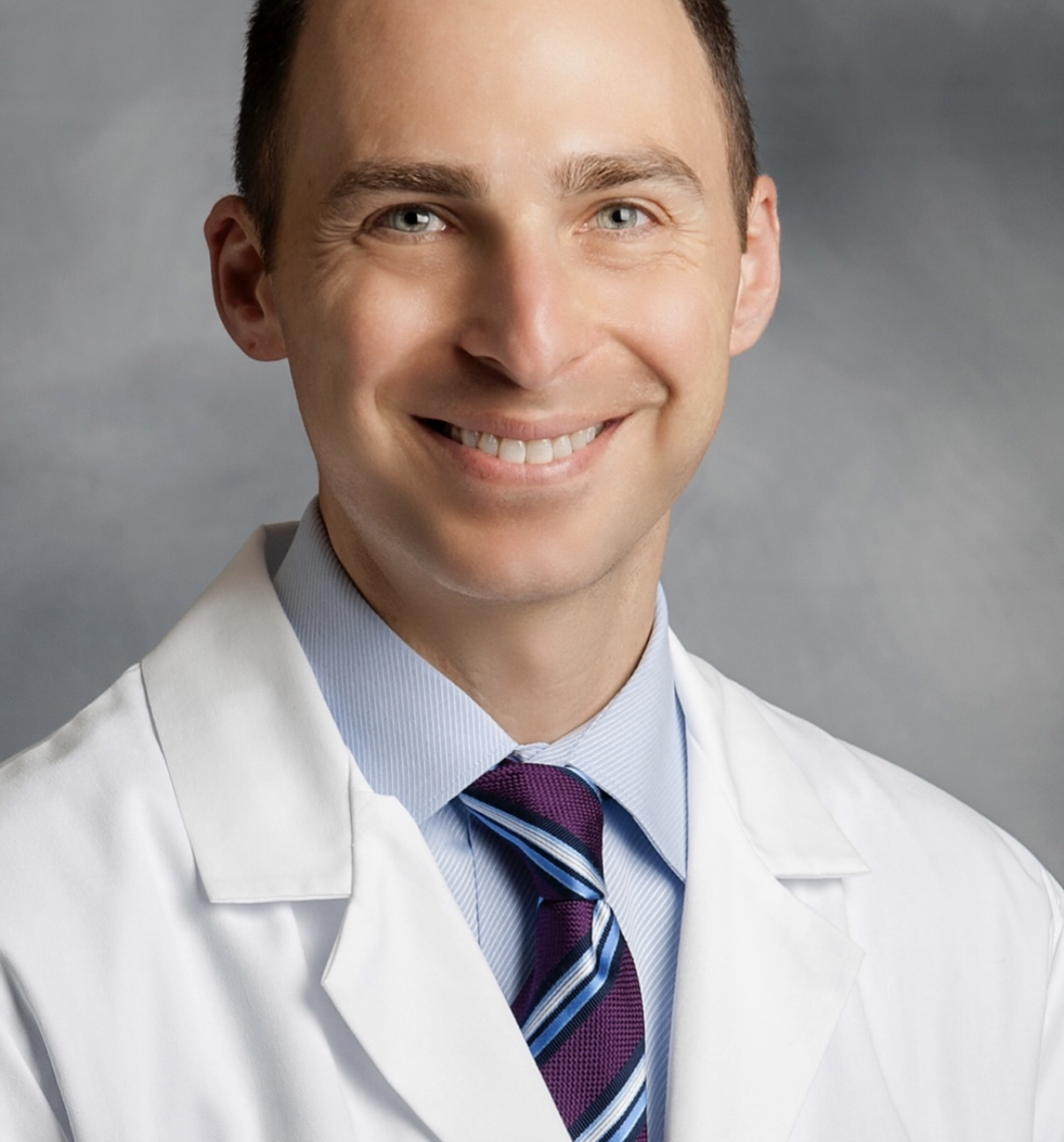
Ryan Barish, MD is board-certified in Family Medicine and board-certified in Lifestyle Medicine, and is certified through the Institute for Functional Medicine (IFMCP), with additional training in nutritional therapeutics.
Barish Functional Medicine provides physician-guided, systems-based care designed for patients seeking a thoughtful and structured approach to long-term health.
Frequently Asked Questions About Physician-Guided Functional Medicine
-
Yes. This practice is designed to complement, not replace, an ongoing relationship with your primary care physician and appropriate specialists.
-
Coordination means your care is approached with a clear understanding of your broader medical picture, including your diagnoses, treatments, and prior recommendations. This does not typically involve direct communication such as phone calls or shared medical management between providers. When appropriate, a summary or consultation note can be provided for your primary care physician or specialists. You will continue to work with your primary care physician and any relevant specialists for in-person care, urgent concerns, and ongoing medical management.
-
No. It uses a broader systems-based lens while still grounded in medical reasoning, safety, and coordination with conventional care.
-
This approach may be helpful if you want a thoughtful, root-cause-oriented strategy that also values medical context, practicality, and long-term planning.
-
Functional medicine providers come from a variety of professional backgrounds and training pathways. Understanding a provider’s credentials, scope, and care model can help you choose the right fit for your needs.
-
It may be especially helpful when several issues overlap—such as fatigue, digestion, hormones, sleep, metabolic health, or unclear symptoms requiring broader clinical context.
Looking for a More Thoughtful Functional Medicine Model?
If you are looking for functional medicine that combines systems-based thinking with physician-level clinical judgment, Barish Functional Medicine may be a strong fit.